
Frequency band and network access
410 and 450 MHz do not describe a single universally usable band. The radio variant and antenna are matched to the authorised spectrum, duplex arrangement and device support of the local service or private network.
Industrial communications
Low-frequency LTE connectivity for wide-area industrial and utility networks, with endpoints selected for the local frequency band and network
Discuss the technology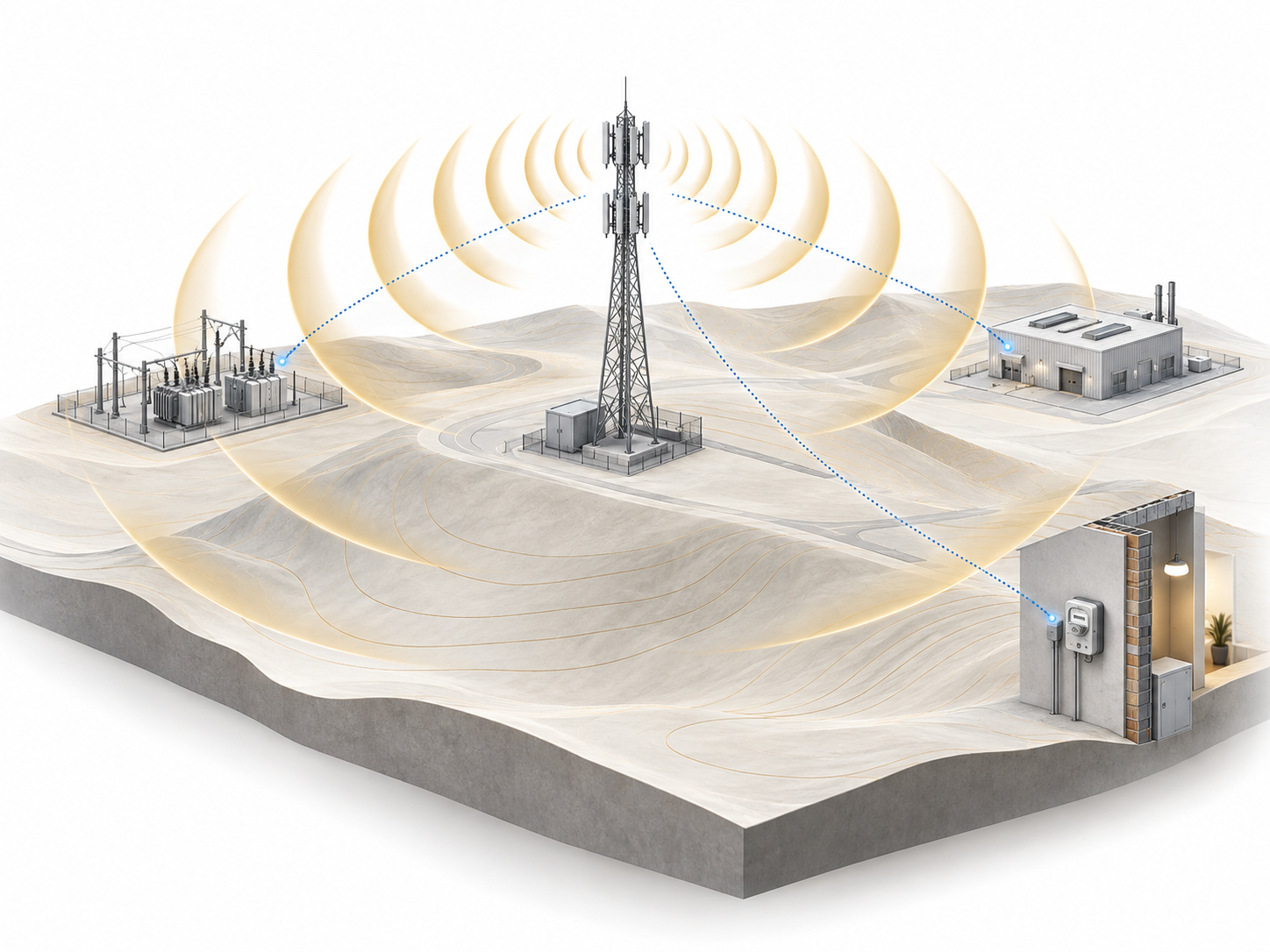
LTE450 applies 4G/LTE mobile communications in frequency bands around 450 MHz. LTE bands around 410 MHz extend the same low-frequency approach. Favourable radio propagation can support wide-area connectivity, particularly for distributed industrial and utility endpoints.
Compared with higher-frequency mobile networks, larger cells can allow an area to be covered with fewer base stations. Actual station counts, indoor connectivity and data rates depend jointly on terrain, antennas, available spectrum, network load and operational requirements.
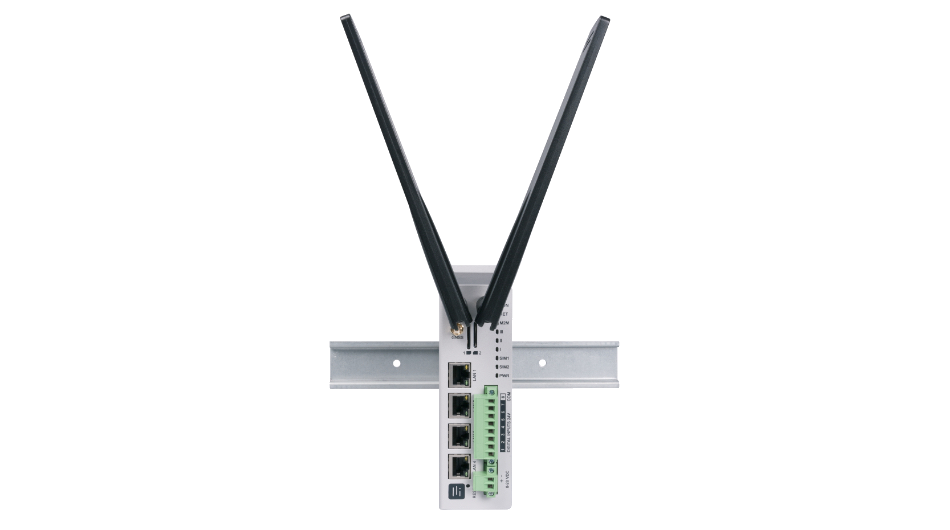
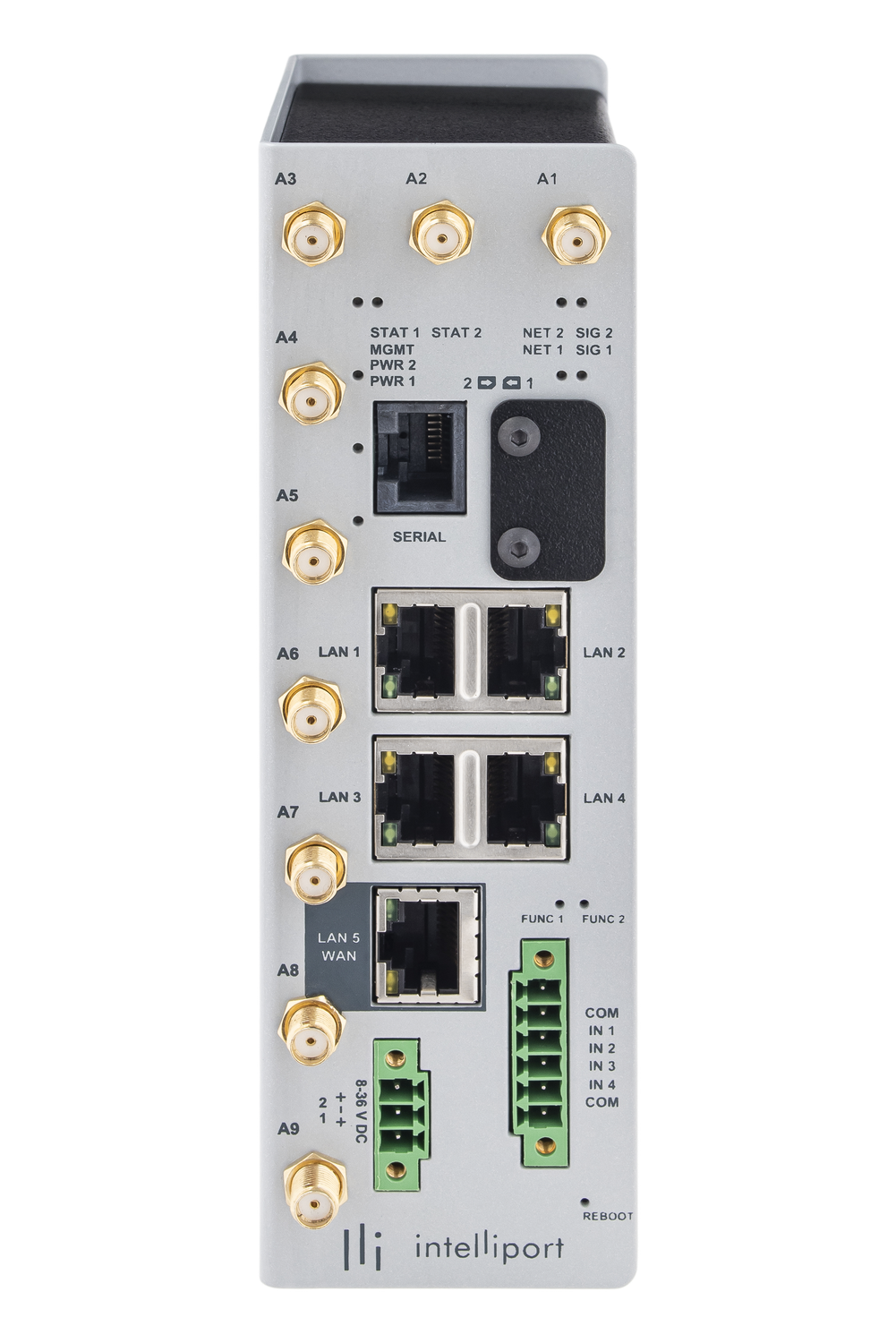
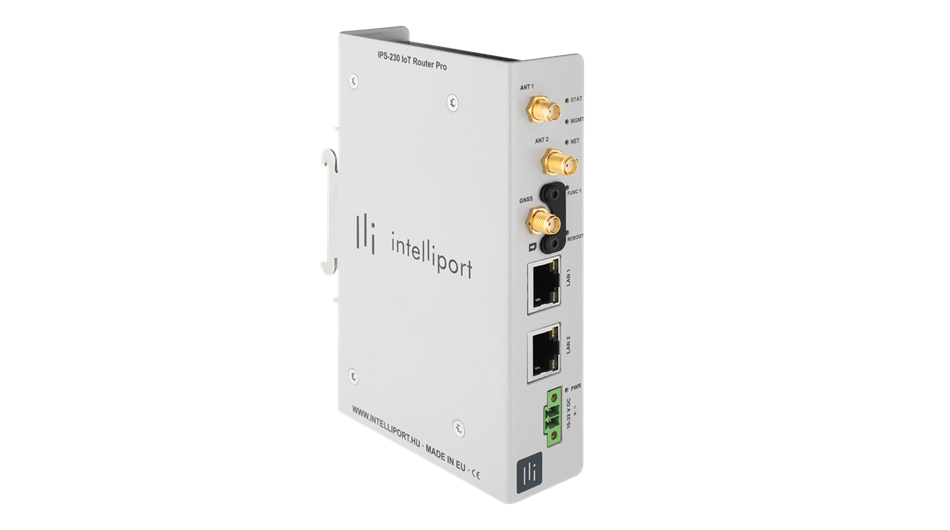
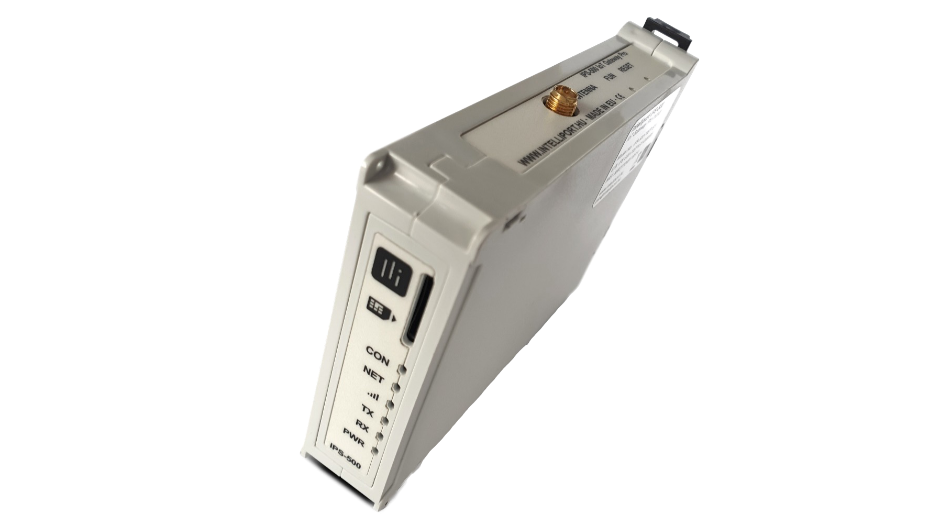
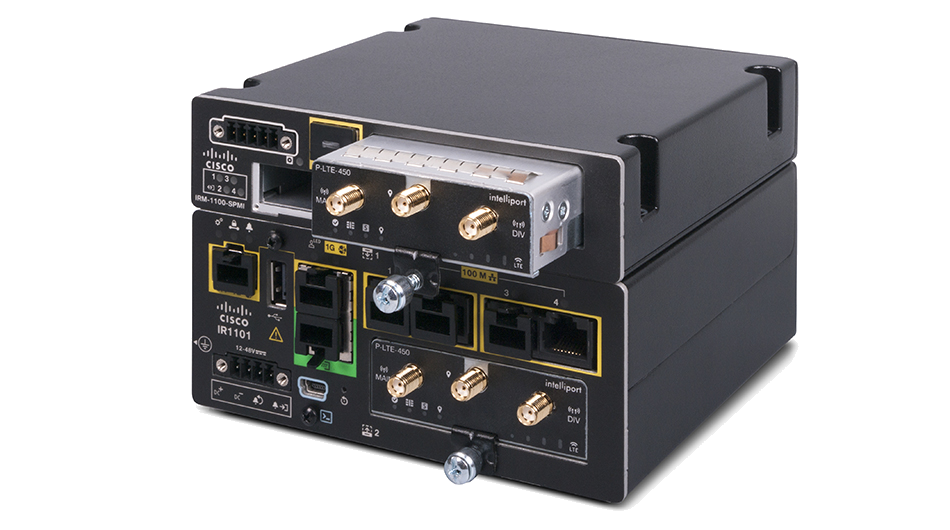
Working with mobile operator partners, Intelliport developed modem, bridge and router solutions for professional and industrial users of early LTE450 networks. Selecting devices today likewise starts with the specific network, radio band, traffic profile and local interfaces.
Design considerations
410 and 450 MHz do not describe a single universally usable band. The radio variant and antenna are matched to the authorised spectrum, duplex arrangement and device support of the local service or private network.
Wide-area coverage is planned together with required data rates, response times and simultaneous endpoint counts. Favourable propagation alone does not guarantee indoor reception or unlimited cell capacity.
Field interfaces, the IP data path, access protection, power supply and remote device management are part of the complete system. Availability and any backup connection are designed around project requirements.
Technology selection
Low-frequency cellular bands for wide-area industrial connectivity. A band designation alone does not determine the LTE category or device data rate.
A widely available cellular option with different coverage and capacity characteristics. The site network and application traffic determine the appropriate choice.
LTE technologies designed for low-traffic, energy-sensitive IoT tasks. Supported frequency bands and network services must be checked separately; 450/410 MHz alone does not imply LTE-M or NB-IoT support.
| Frequency range | LTE band | Duplex mode |
|---|---|---|
| 410 MHz | B87 / B88 | FDD |
| 450 MHz | B31 / B72 | FDD |
B31 and B72 are examples of LTE bands around 450 MHz; B87 and B88 are around 410 MHz. Exact frequencies, channel bandwidth and authorisation depend on the local network. This band list is not the supported-band list of a single Intelliport device.
Applications
Transmitting measurements, status and monitoring data from distributed grid equipment to central systems.
MV/LV substation digitalisationConnecting compatible utility meters and concentrators with connectivity sized for reading intervals and endpoint counts.
Smart metering and remote readingIP communications for remote sites, machines and field equipment, using modems, bridges or routers matched to existing interfaces.
Data collection and remote monitoring across wide-area utility installations, jointly planning radio connectivity and operational availability.
Devices and platforms
Technical discussion
We select the technology and device variant around traffic, the site network and operating conditions.