
Transmission frequency
Message size, measurement and reporting intervals, and the need for two-way communications determine the traffic profile.
Industrial communications
Low-power wide-area communications for meters and sensors using cellular NB-IoT and LTE-M connectivity
Discuss the technology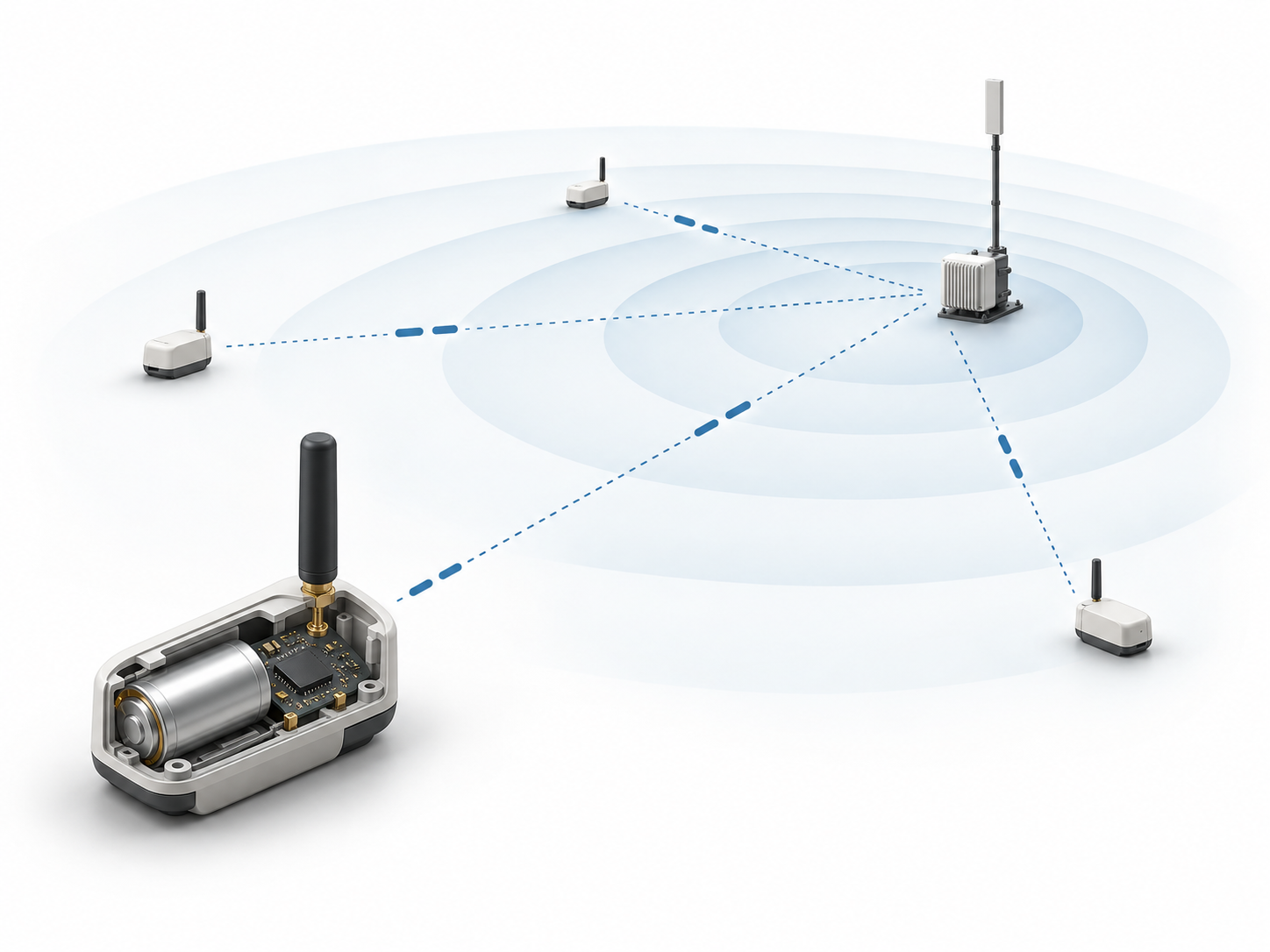
LPWAN — Low Power Wide Area Network — is a wireless networking approach aimed at long-range communications and low energy use. For meters and sensors sending periodic readings, coverage and operability often matter more than raw data rates.
Within Intelliport’s cellular LPWA portfolio, NB-IoT and Cat-M1, also known as LTE-M, are central to low-power applications. Cat-1 provides an alternative for tasks requiring more throughput. Selecting the right connection is also important when modernising existing 2G/3G systems.
Design considerations
Message size, measurement and reporting intervals, and the need for two-way communications determine the traffic profile.
Installation location, radio conditions, retransmissions and sleep modes all affect power consumption. Multi-year battery operation depends on the task and the device.
We choose the connection based on operator-supported technology and bands, latency requirements and device variant.
Technology selection
For low-data-volume tasks prioritising low power consumption and radio reach. The IPS-40x sensor family uses NB-IoT connectivity.
An option for IoT tasks where response time and communications flexibility matter alongside low power consumption.
An alternative for tasks requiring higher bandwidth. It does not share the same low-power operating profile as NB-IoT and LTE-M.
Applications
Collecting and transmitting electricity, gas and water consumption data through communications matched to the meter.
Smart metering and remote readingConnecting field-network equipment and measurement points to central systems.
MV/LV substation digitalisationTransmitting readings from distributed sensors and parking occupancy data over NB-IoT networks.
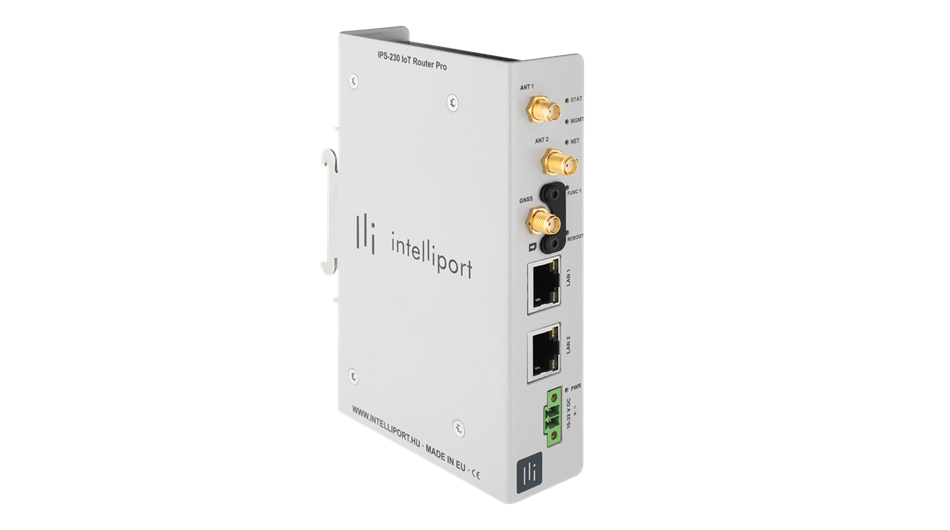
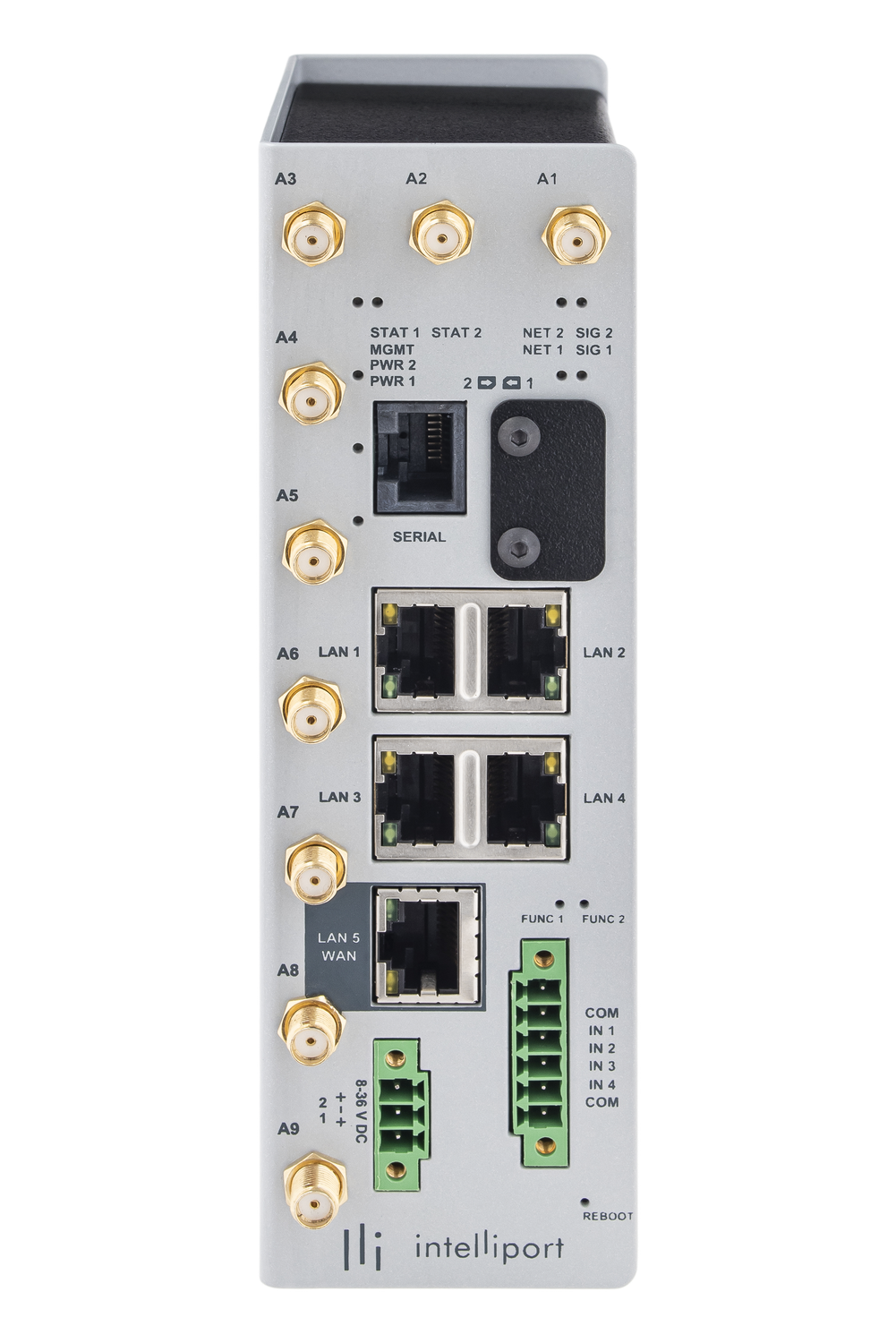
Smart parkingGateways and routers selected for the different communications needs of low-traffic and higher-bandwidth tasks; redundancy is also a consideration for high-availability systems.
Devices and platforms
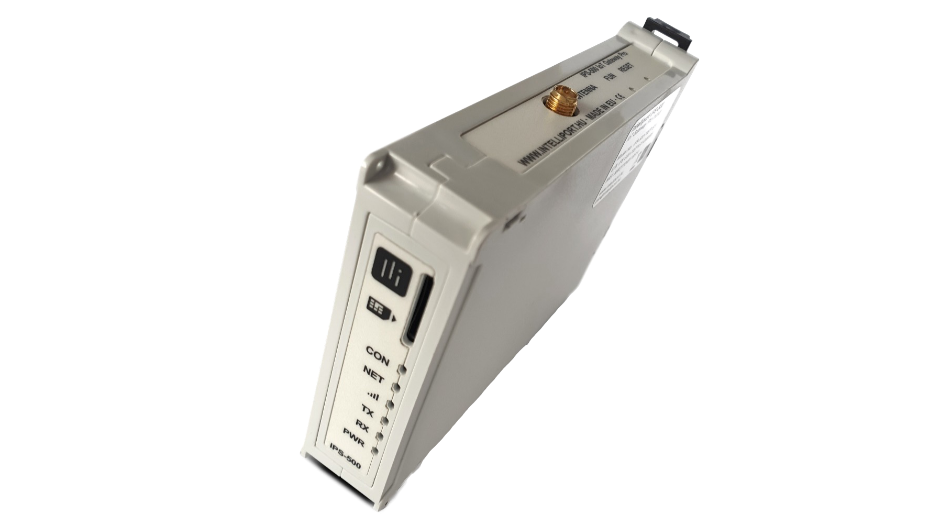
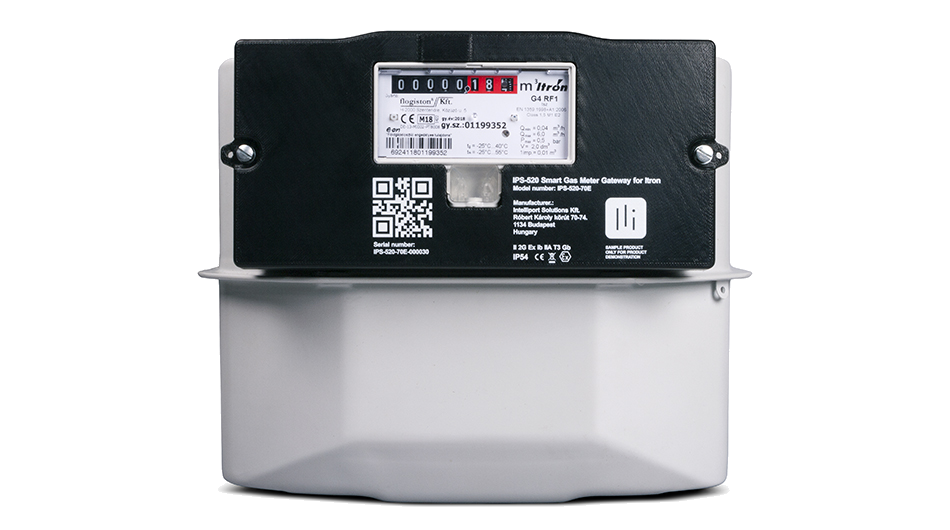
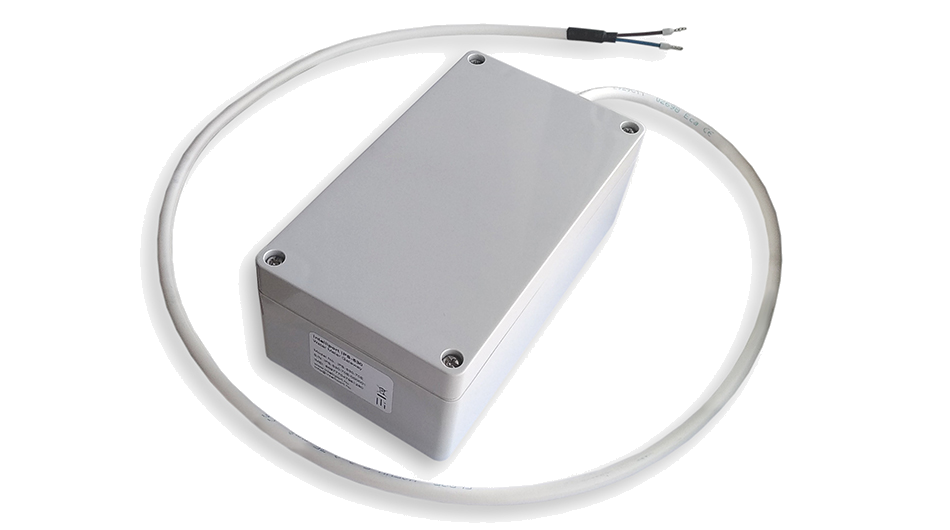

Technical discussion
We select the technology and device variant around traffic, the site network and operating conditions.