From metering data to informed decisions
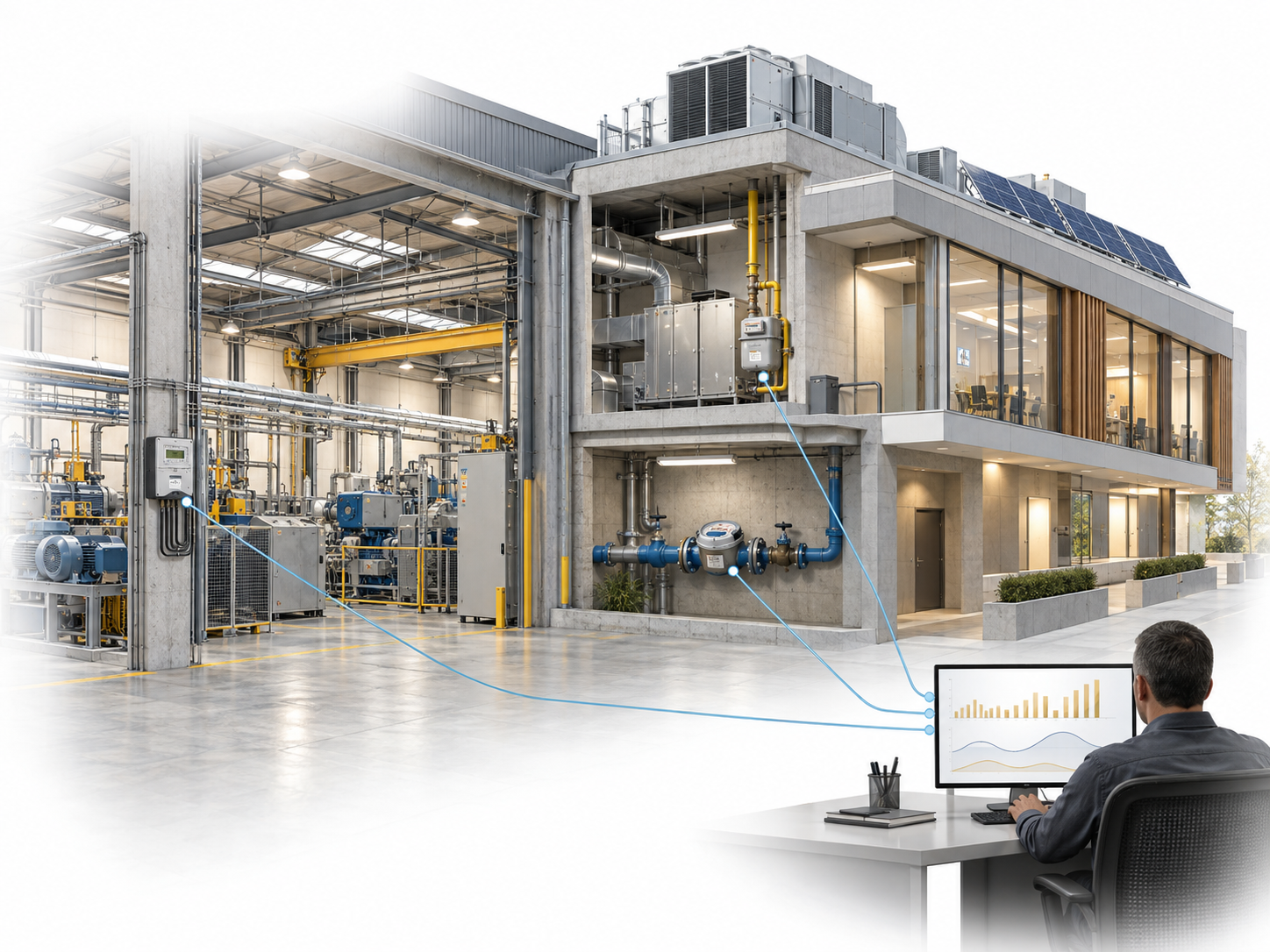
Energy monitoring provides a shared view of consumption and operations across facilities. Connecting meters, field communications and central processing helps show where energy is used, when deviations occur and which operational changes should be measured against a baseline.
Lower energy costs
Identifying losses and unnecessary consumption helps prioritise opportunities for savings.
More efficient operations
Consumption and operational data together support faster, better informed decisions.
More sustainable operation
Tracking and reducing energy use can also help reduce environmental impact.
More reliable operations
Early identification of unusual consumption patterns and operational deviations supports targeted investigation.
Industrial energy monitoring
Energy efficiency and operational reliability aligned with production
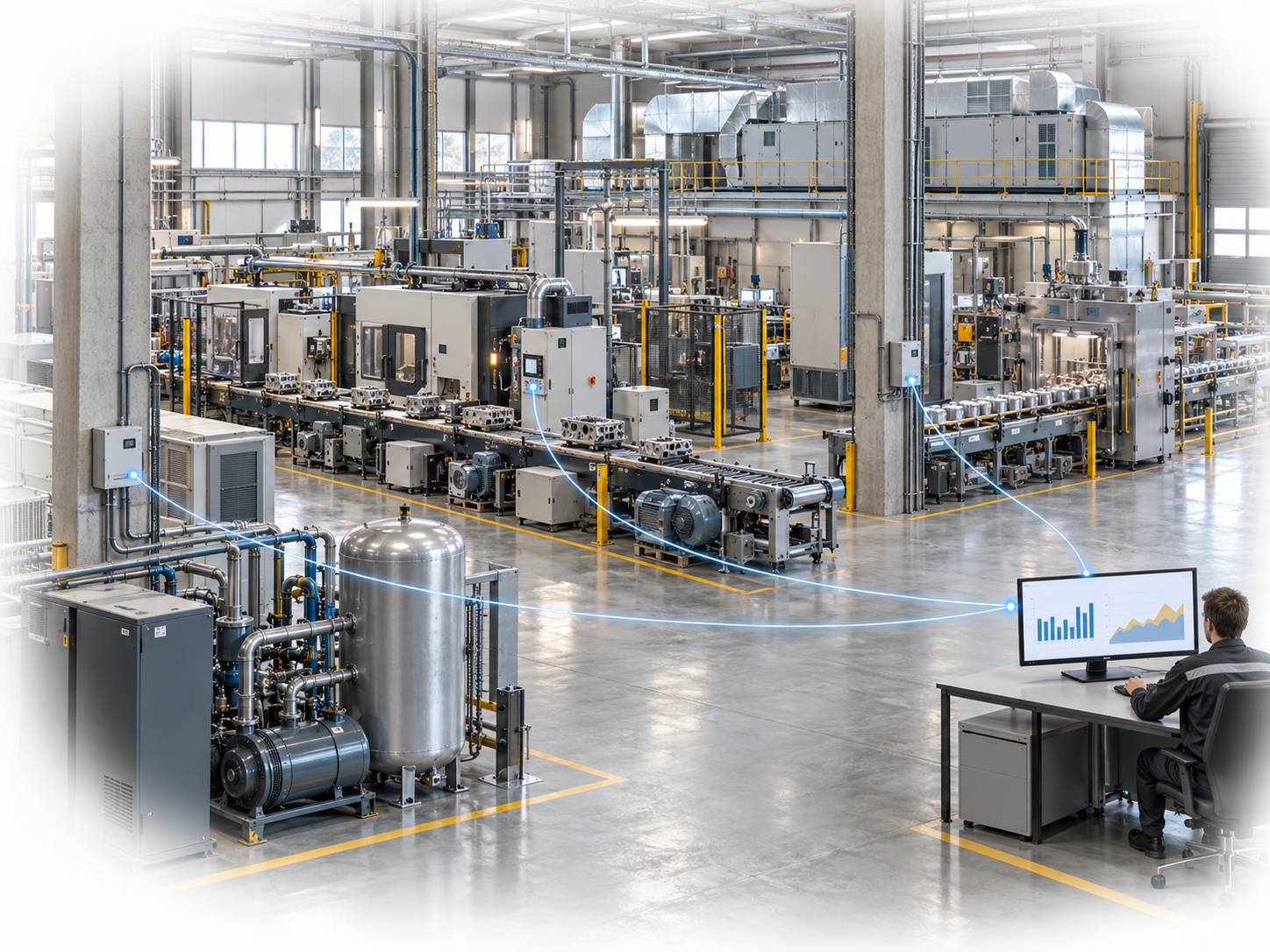
We connect consumption data from machines, production lines and plant areas with production activity. This makes peak loads, consumption during downtime and energy use per unit of output easier to understand.
- Monitoring by machine, production line and plant area according to installed metering points.
- Analysis of consumption patterns, peak loads and idle losses.
- Alerts for anomalies and abnormal consumption based on selected rules.
- Identification of optimisation opportunities aligned with production schedules.
- Detailed reports, custom KPIs and metrics relative to production data.
Institutional energy monitoring
Clearer building operations, balancing comfort and energy efficiency
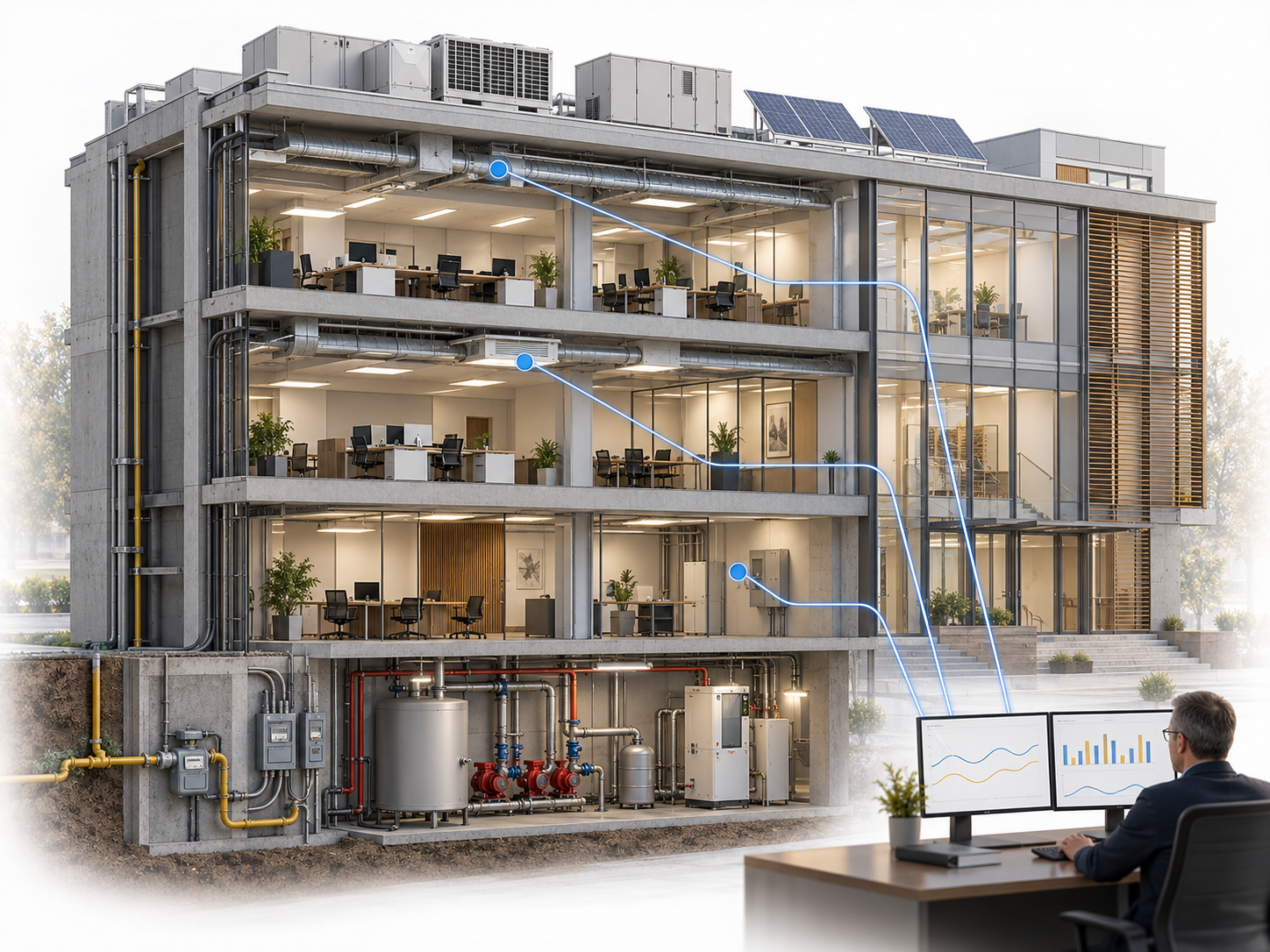
Public institutions, office buildings and organisations managing multiple buildings can track consumption consistently across buildings and zones. Metering data helps compare occupancy periods, operating settings and opportunities for savings.
- Building and zone monitoring based on available submetering.
- Visibility into consumption by heating, cooling, lighting and other systems.
- Analysis of consumption trends against opening hours and occupancy.
- Comfort and operational data included in optimisation decisions.
- Sustainability reports and CO₂ estimates using a defined calculation method.
Support for energy-efficient operations
A shared data-collection foundation supports analysis and reporting functions selected for the operational objectives.
Data collection and analysis
Unified handling of data from meters, sensors and building management systems at the required update frequency.
AI-based forecasting
Forecasting consumption trends, peak loads and potential deviations using the selected analytics layer and available data.
Optimisation recommendations
Identifying savings and operational opportunities from consumption profiles, then tracking the results of approved actions.
Reporting and compliance support
Consumption and cost reports, custom metrics and data prepared for energy specialist reports and energy audits.
From data collection to measured results
Monitoring provides the measurement foundation for the energy management process. Analysis and interventions connect to existing systems and the operator’s decision-making workflow.
Data collection
Receiving metering and operational data, aligning timestamps and units.
Analysis
Evaluating consumption profiles, trends, thresholds and forecasts.
Recommendations
Prioritising savings opportunities against operational objectives and constraints.
Intervention and verification
Manual actions or separately designed automation, followed by comparison with the baseline.
Metering points, connectivity and central processing
Components are selected for each metering task. Meter gateways may provide their own mobile connectivity; an industrial router is not a required intermediate component in every data path.
Field communications
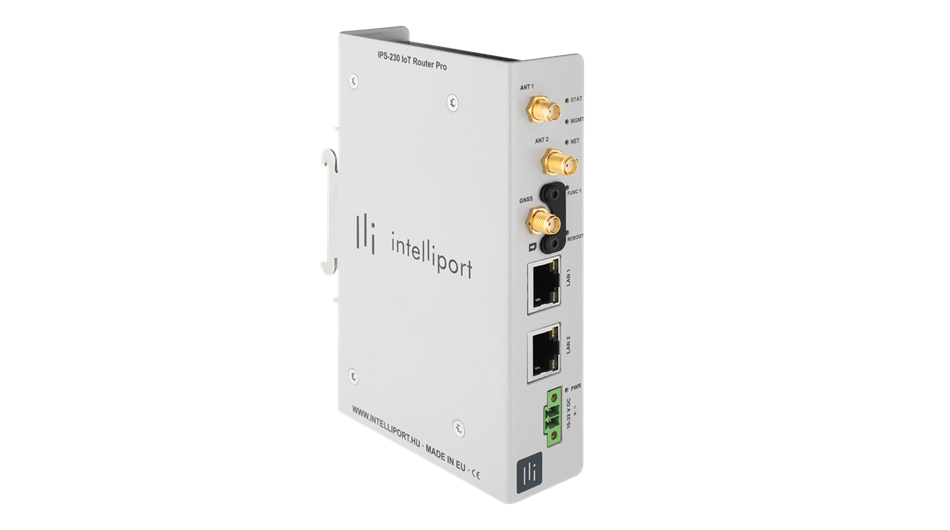
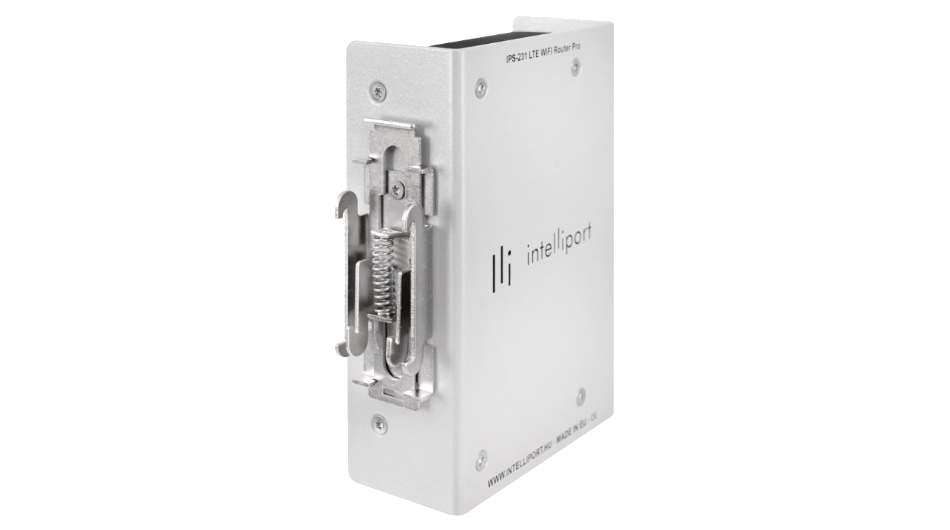
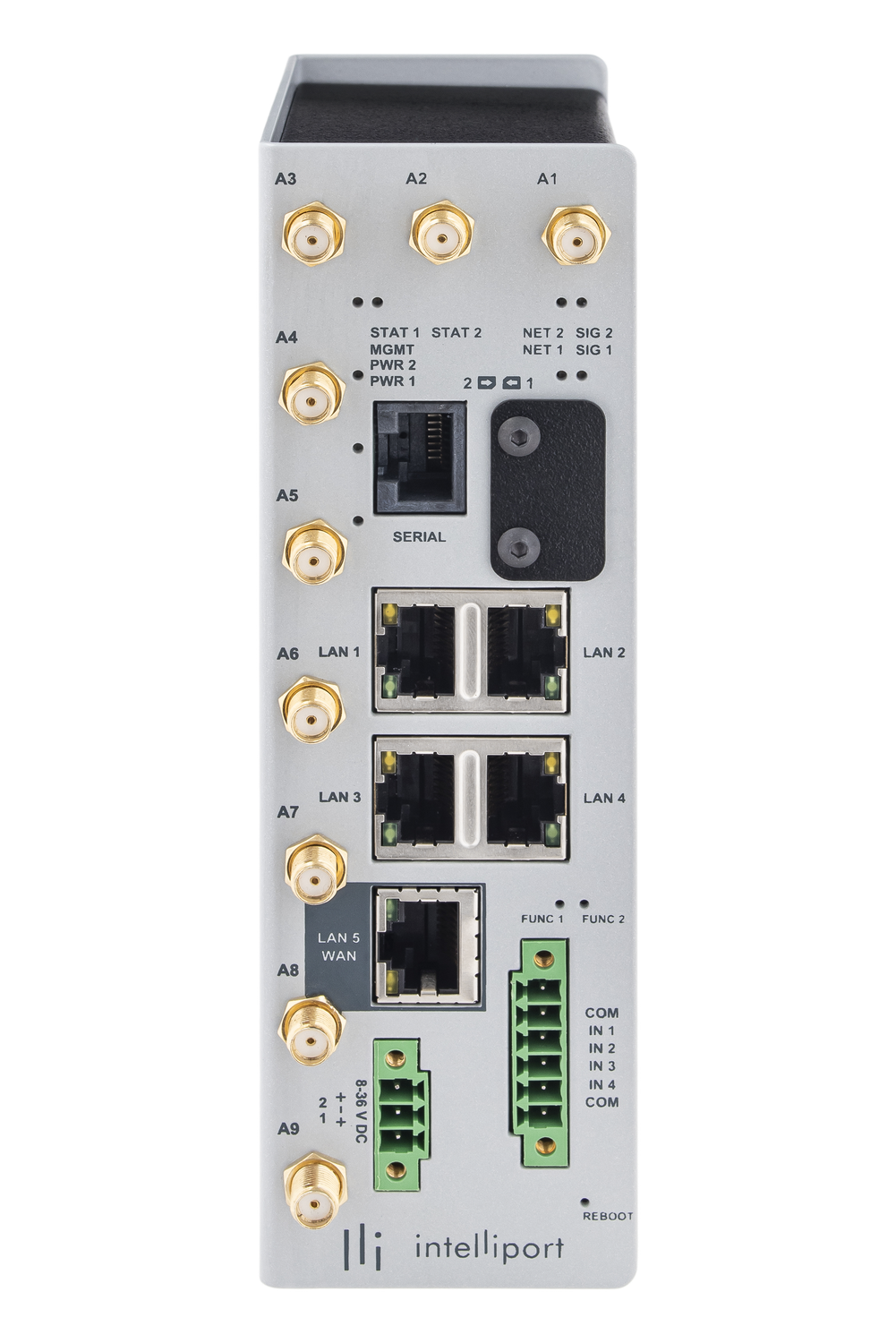
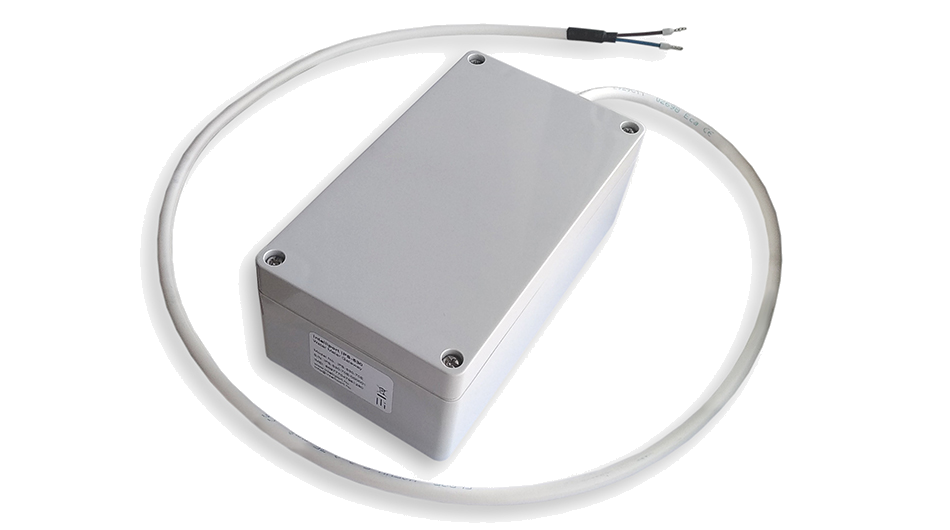
IPS-230, IPS-231 and IPS-239 routers can connect local equipment to central systems. Site conditions determine the interfaces and network design required.
Meter-specific gateways
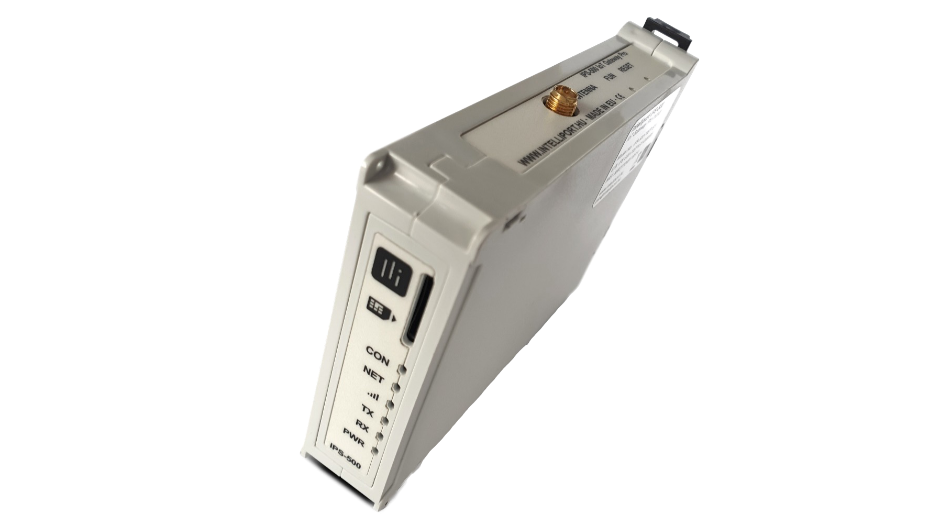
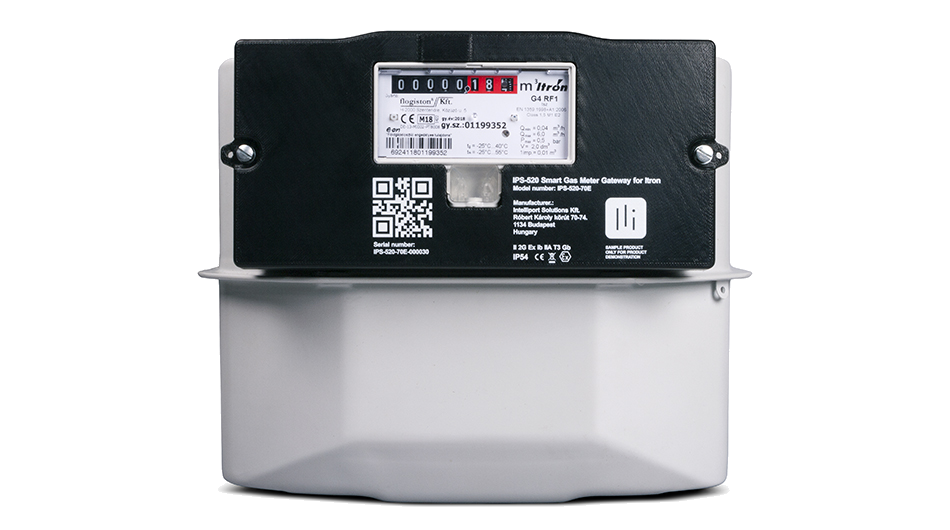
IPS-501 connects electricity meters, IPS-520/521 connects compatible gas meters and IPS-530 connects water meters. Water consumption can be tracked as a separate utility alongside energy use.
M2M device supervision
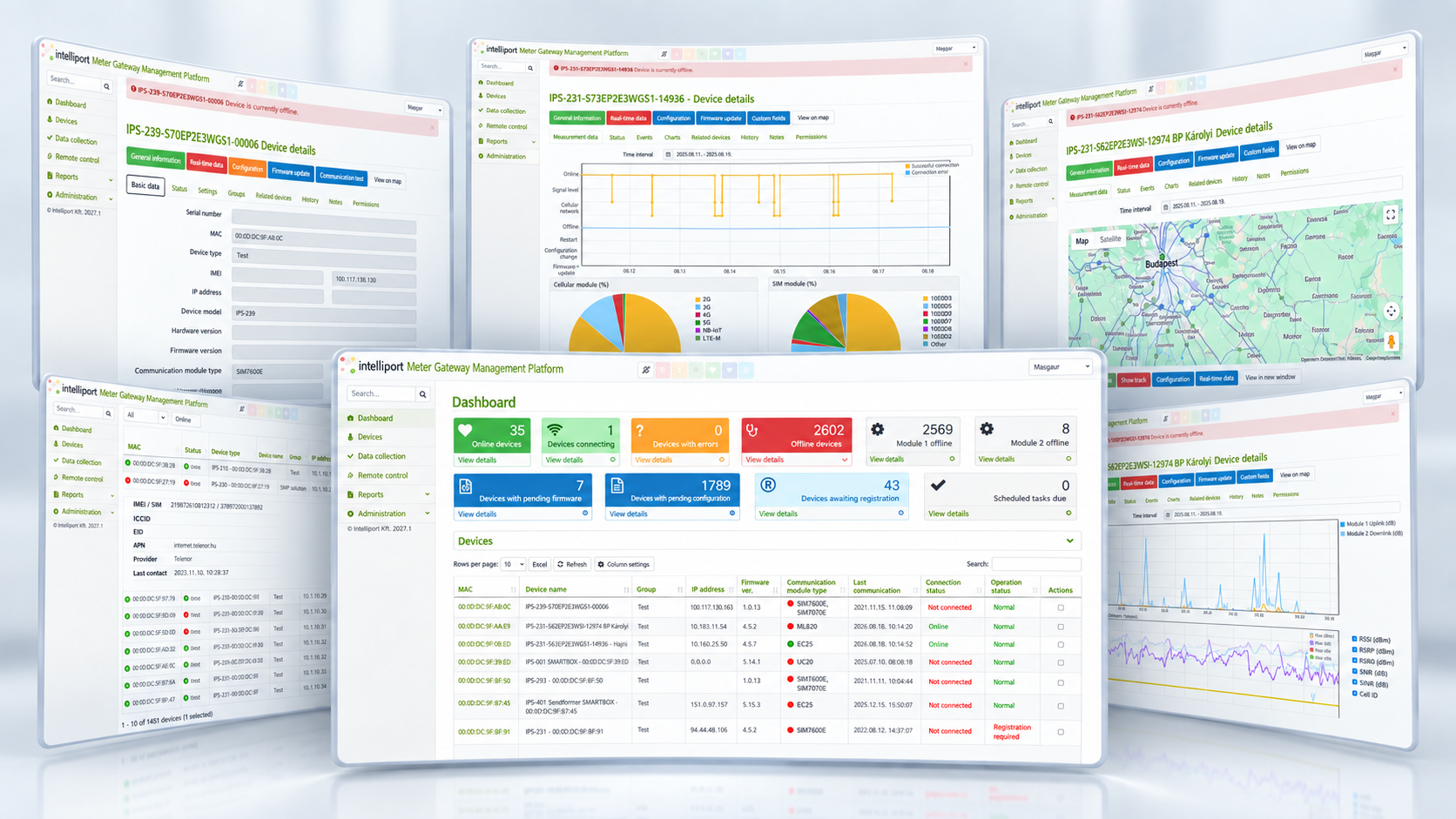
Central visibility, group administration and status monitoring of the router fleet support communications operations.
HES and analytics integration
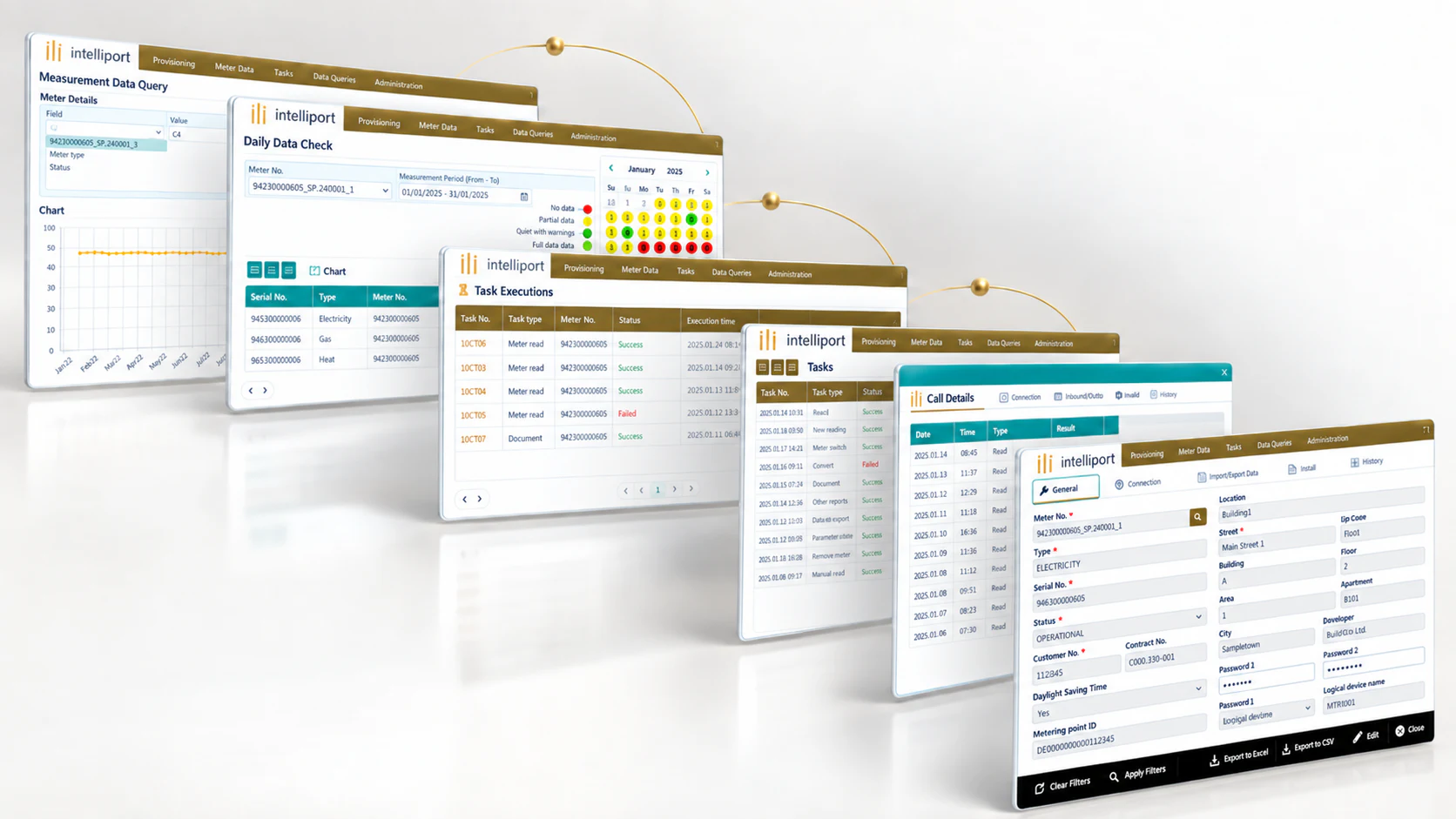
HES provides the central layer for meter-data queries, data checks and meter administration. Energy dashboards, forecasting and building automation integration form part of the selected application architecture.
Make the outcome measurable
The objectives are lower consumption and costs, more efficient operations and earlier detection of operational deviations. Results are evaluated against baseline consumption, production volume, building occupancy and, where relevant, weather conditions.
- Before-and-after comparison under consistent conditions and a defined reference period.
- Consumption and cost metrics based on actual tariffs.
- CO₂ estimates using documented energy-source and emission factors.
- Tracking comfort, production objectives and operational reliability alongside energy data.
Supporting compliance with metering data
Meeting Hungarian and EU energy-efficiency requirements calls for clear consumption data and traceable results. With the appropriate metering infrastructure and reporting environment, our energy monitoring solution supports the data needs of audits, reports and energy-efficiency measures.
Central management of submetering data
Collecting and storing data from suitable submeters to track consumption by equipment and production lines.
Supporting energy audits and ISO 50001
Consumption time series and comparable indicators for energy assessments and verification of improvement outcomes.
Data for energy specialist reports
Organised consumption and savings data for monthly assessments and annual reports by the designated energy specialist.
Public-institution energy management
Building-level consumption data to prepare action plans, progress reports and required data submissions.
Regulatory background
EU requirements Under Article 11 of the Energy Efficiency Directive, Member States must ensure that enterprises with average annual consumption above 85 TJ over three years operate a certified energy management system by 11 October 2027. Above 10 TJ, enterprises without such a system require an energy audit: the EU deadline for the first audit is 11 October 2026, with subsequent audits at least every four years. The thresholds count all energy carriers together. Specific obligations are determined by the implementing legislation of the relevant Member State. Directive (EU) 2023/1791, Article 11
The metering and reporting design is agreed with the relevant energy specialist or auditor. Energy monitoring supports data provision; audits and certification are performed by authorised professionals and organisations.
Regulatory background reviewed on 2 October 2026.
The starting point for joint planning
- Which buildings, production lines, energy sources and utilities should be included?
- Which meters, interfaces, submeters and operational data are available?
- Which submetering, auditing, designated energy specialist or energy management requirements must the system support?
- What update frequency and alert-handling process are required?
- Which HES, enterprise, analytics and building management systems need integration?
- Who evaluates recommendations and approves interventions?
- Which reference period and KPIs will determine the pilot’s results?