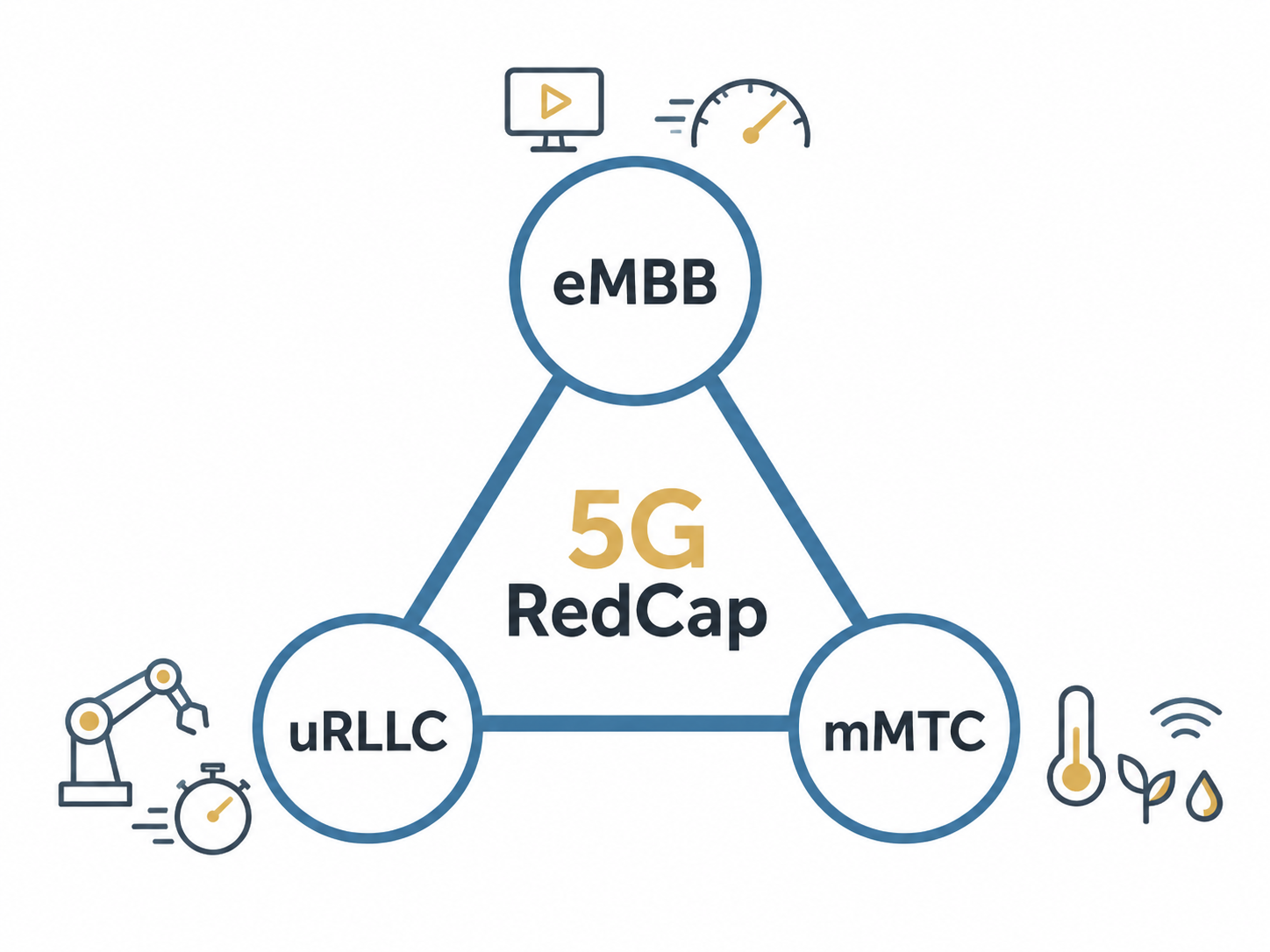
5G RedCap — Reduced Capability, also known as NR-Light — targets the space between full-capability 5G broadband devices and low-power, low-data-rate IoT. It provides a communications foundation for applications with moderate throughput needs where device complexity, energy use and cost matter.
The Intelliport IPS-231 and IPS-239 router families offer different mobile communications variants to suit industrial requirements. Using 5G RedCap starts with selecting the right device variant and an available network service.
RedCap advantages
Advantages of 5G RedCap alongside LTE and full 5G
Data rate
RedCap provides 5G connectivity for moderate industrial data requirements. It enables higher data rates than LTE Cat-1, while LTE Cat-4 offers a comparable nominal downlink rate. Full-capability 5G also serves bandwidth-intensive applications.
Power consumption
Reduced radio capabilities and power-saving operation help enable lower-power endpoints than full 5G, including battery-operated devices. Any advantage over LTE depends on the category, device and traffic profile being compared.
Device complexity
RedCap makes 5G available through a simpler radio design than full 5G. Moderate complexity combined with 5G capabilities addresses smaller IoT endpoints; the difference from LTE depends on the specific device category.
Cost
A simpler device design than full 5G can support cost-effective IoT deployments at scale. RedCap offers an alternative for requirements between lower-capability LTE devices and full 5G; actual costs depend on the device, network service and operations together.
Design considerations
Connectivity selected for the task
Data traffic
Meter readings, control messages and video streams have different bandwidth needs. We select the technology around the actual traffic profile.
Energy and complexity
The reduced capability set of RedCap enables simpler device designs than full 5G. Operating modes and traffic also determine system power consumption.
Network and operations
Site coverage, operator RedCap support, security requirements and remote device management together determine suitability.
Technology selection
Different requirements, different communications
LTE
Includes multiple device and network categories. A comparison needs to consider the specific LTE variant and the network at the site.
5G RedCap
Moderate throughput requirements and reduced device complexity within a 5G environment. It does not imply greater speed than every LTE variant or lower power use in every situation.
Full-capability 5G
Can also serve applications with higher throughput requirements. We assess that capability alongside device and network complexity and project cost.
Technical comparison
Key characteristics of LTE and 5G technologies
Data rates are theoretical downlink peaks, not guaranteed operating speeds. The table compares the radio configurations shown: FR1 and two receive antennas for RedCap. Actual values depend on device variant, frequency band and network; the 5G figure of 20 Gbps is a technology peak target, not the data rate of IPS routers.
On narrow screens, scroll the table horizontally
Comparison of bitrate, bandwidth and antenna count
Aspect
LTE Cat 1
LTE Cat 4
5G RedCap
5G
Bitrate
Up to 10 Mbps
Up to 150 Mbps
Up to 150 Mbps
Up to 20 Gbps
Bandwidth
20 MHz
20 MHz
Up to 20 MHz
Up to 100 MHz (sub-6 GHz) / 400 MHz (mmWave)
Number of antennas
1
2
2
4+
Application profiles
5G RedCap technology comparison to other 5G technologies
A qualitative comparison between high-performance mission-critical IoT and lower-complexity massive IoT. Marks show relative levels, not numerical measurements; lower latency is shown with a lower level.
LatencyThroughputDensityComplexityBattery life
5G mission-critical IoT
with TSN, URLLC, and precise positioning
Latency
Low
Throughput
High
Density
Low
Complexity
High
Battery life
Short
5G RedCap
Latency
4 marks
Throughput
4 marks
Density
4 marks
Complexity
4 marks
Battery life
4 marks
5G massive IoT
eMTC, NB-IoT
Latency
High
Throughput
Low
Density
High
Complexity
Low
Battery life
Long
High-performance
Low-complexity
Applications
Technology supporting operations
Smart grids
Connecting electricity-network field devices and transmitting measurement and monitoring information.
Connectivity for automation systems and field equipment, aligned with local interfaces, response times and availability requirements.
Video surveillance
Camera connectivity assessed against image quality, traffic and available network capacity.
Industrial sensors
Transmitting measurement and status data from distributed industrial sensors, with communications selected around reporting intervals and power supply.
Smart city infrastructure
Connecting utility meters, environmental sensors and other municipal equipment to central systems.
Connecting machines and devices in flexible manufacturing environments, collecting production data and tracking processes.
Devices and platforms
Related products
Suitable communications variants of the IPS-231 and IPS-239 router families can be selected for the task. Not every variant of the listed products is a RedCap device.
Industrial IoT router
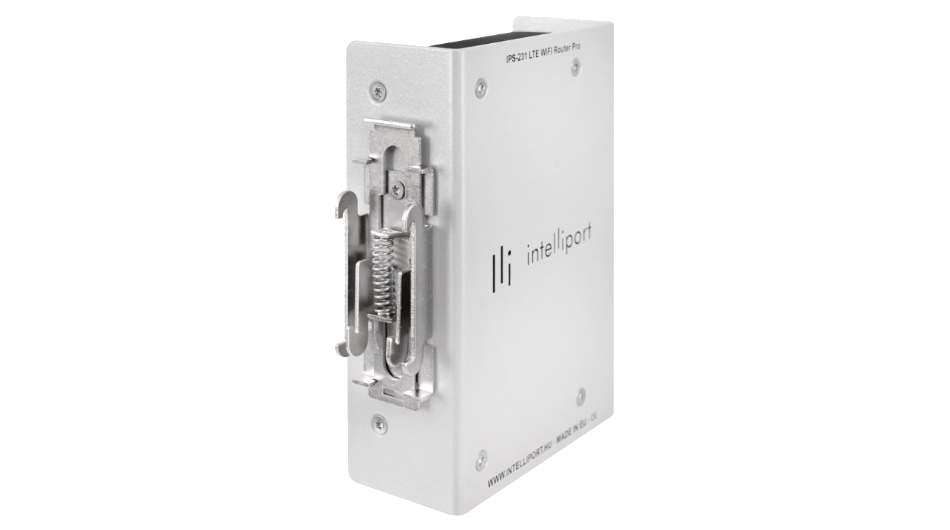
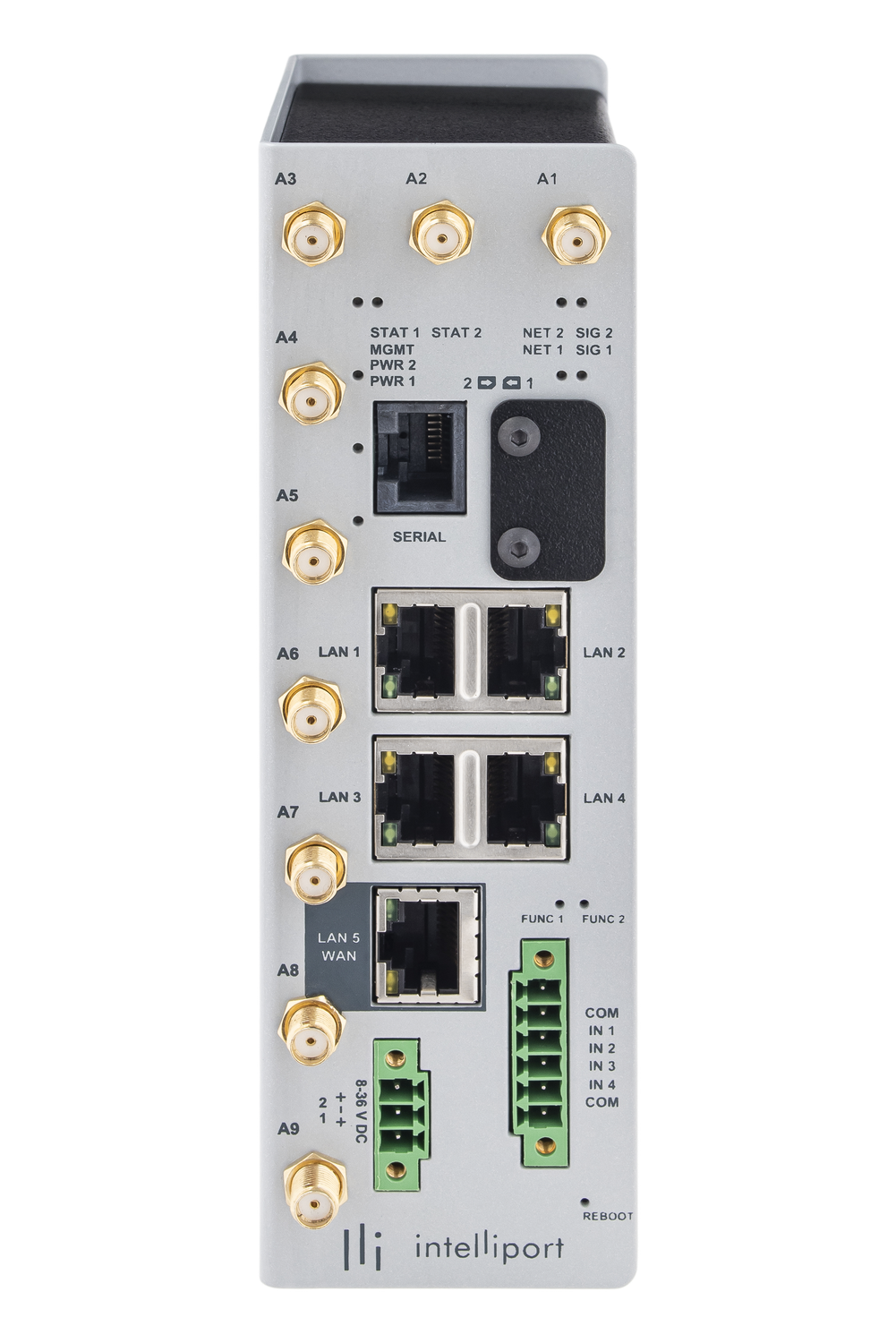
IPS-231 WiFi Router Pro
The Intelliport IPS-231 WiFi Router Pro product family.